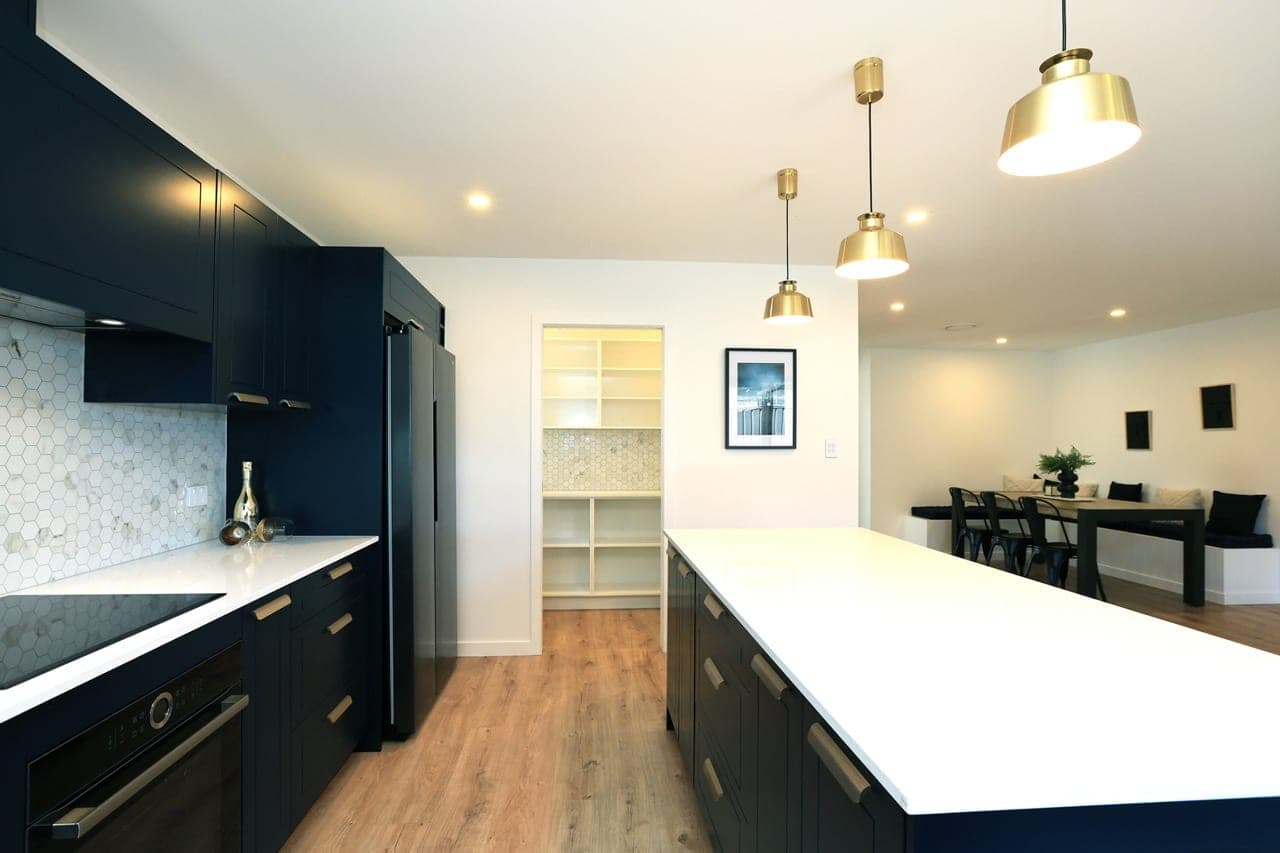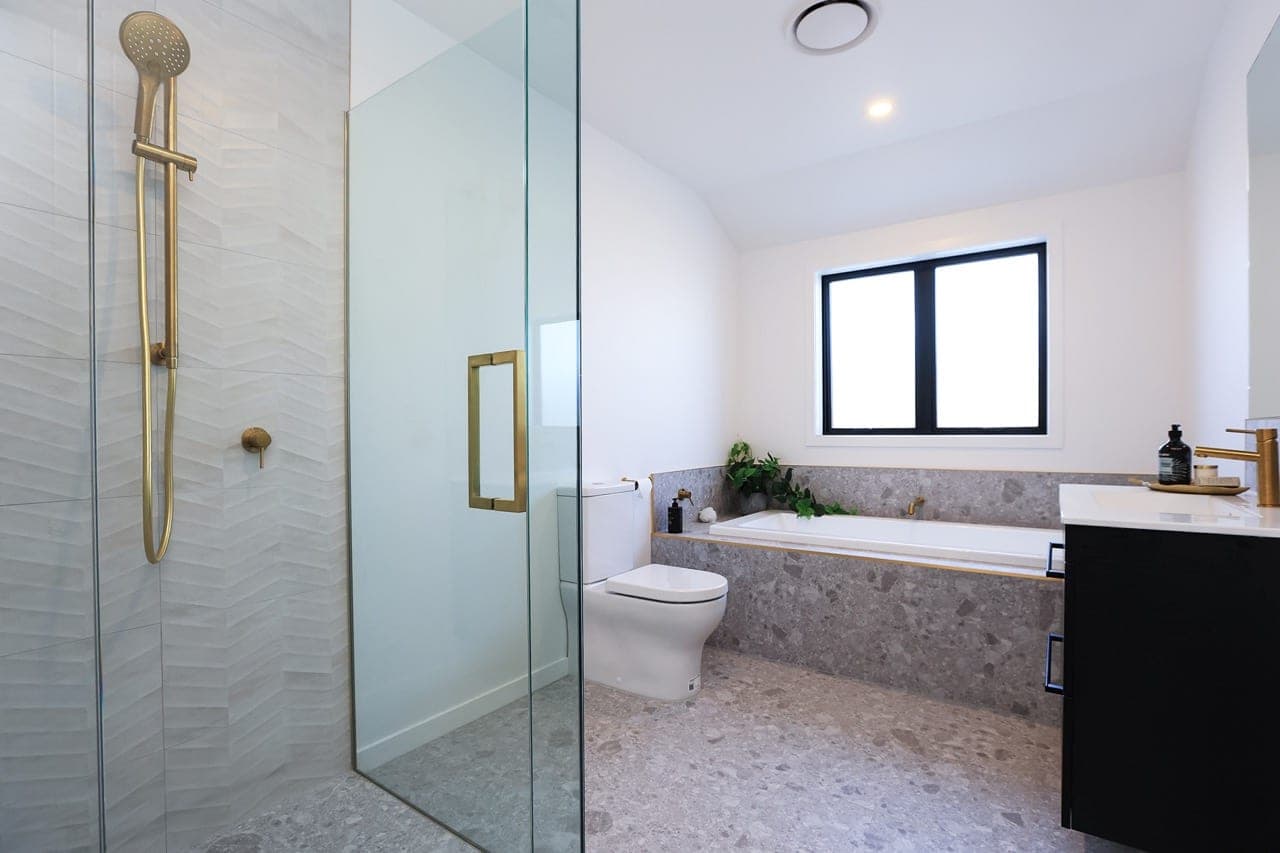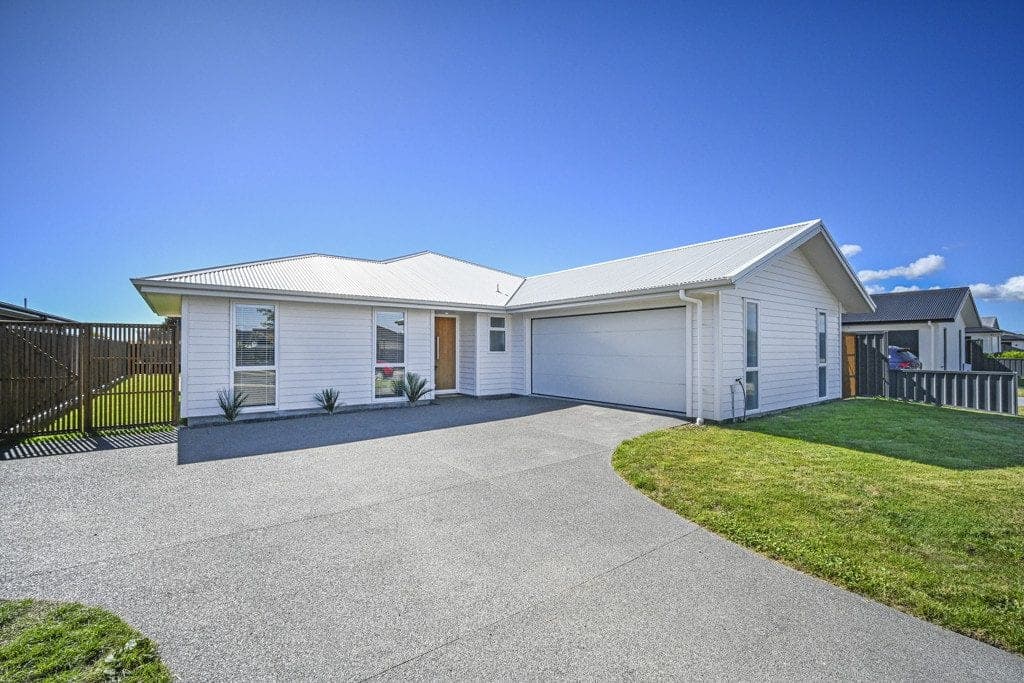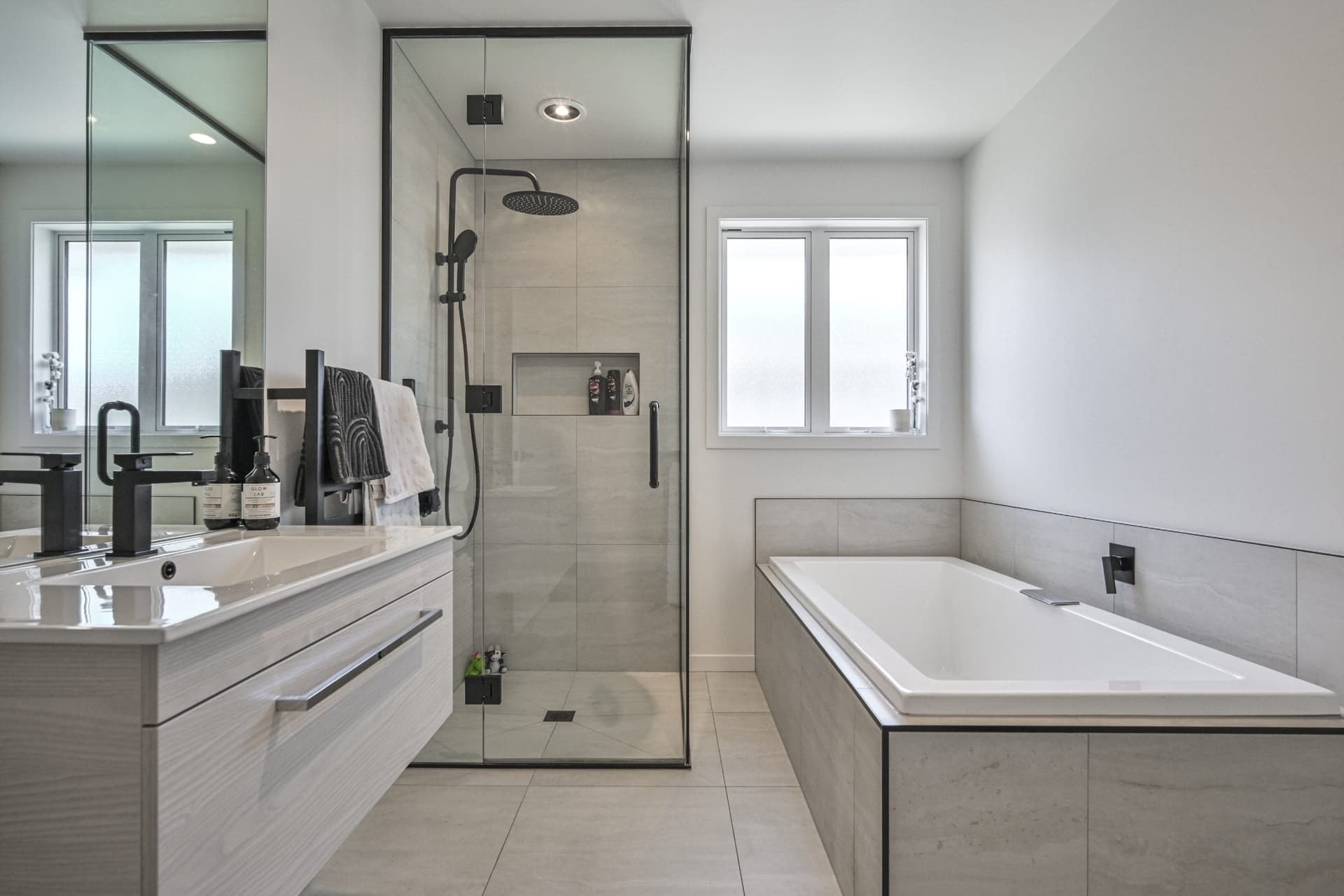
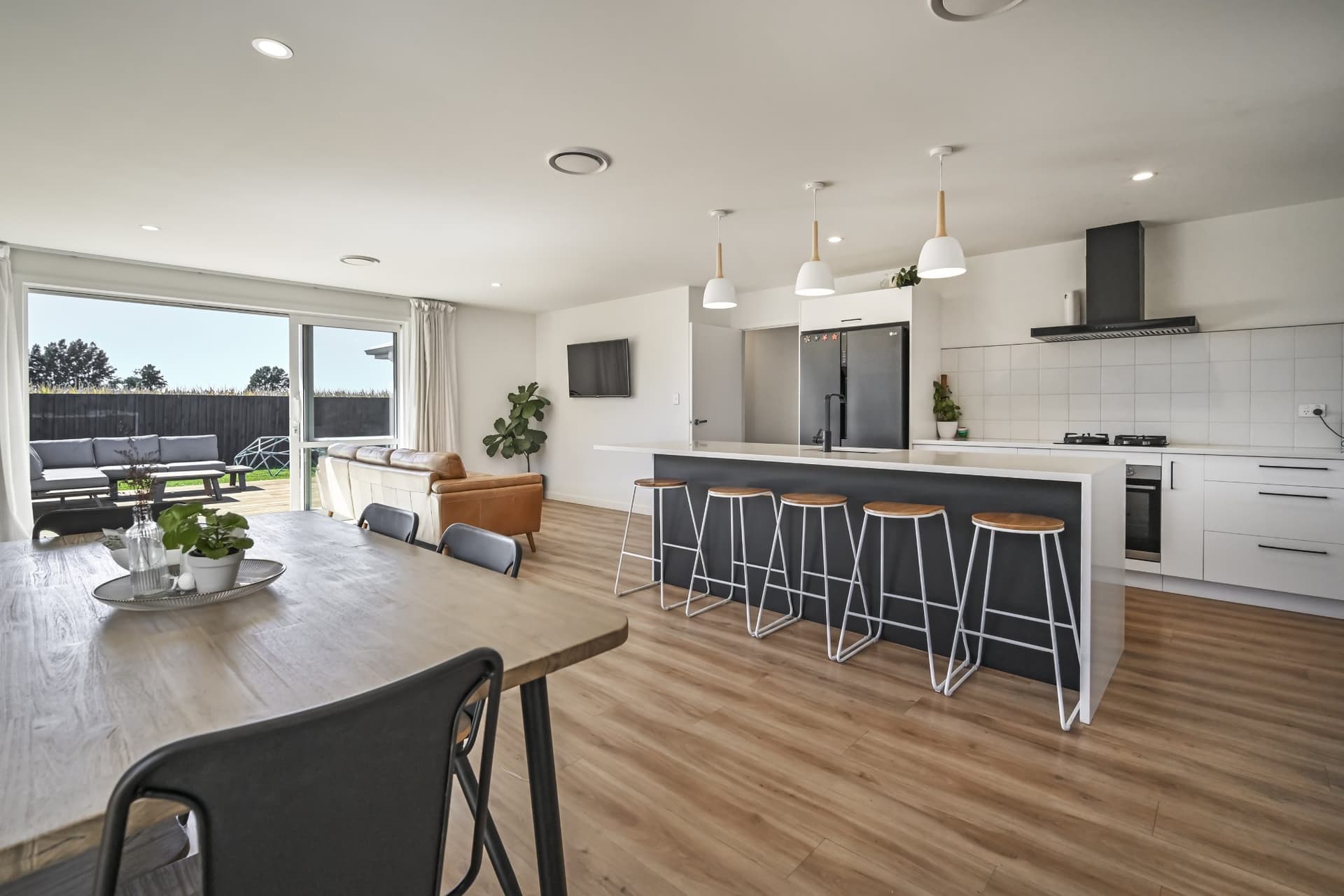
Hawke's Bay clocks over 2,200 hours of sunshine in a typical year — among the highest totals in New Zealand. That sunshine is free heating, free light and free wellbeing, but only if your home is designed to catch it. This is why "north-facing" appears in every second property listing, and why we treat orientation as the first design decision on every home we build. Here's what it actually means and how to get it right.
Why north? (A quick refresher)
In the Southern Hemisphere the sun rises in the east, arcs through the north, and sets in the west. In winter it sits low in the northern sky; in summer it passes high overhead. So glazing that faces north receives sun for most of the day, all year round — while south-facing rooms receive almost no direct sun at all.
That single fact drives everything: a north-facing living room in Hawke's Bay can be genuinely warm on a clear July afternoon with the heat pump off. The identical room facing south will need heating from May to September.
What good orientation does for you
Free winter heat. Low winter sun streaming through north glazing warms rooms and the thermal mass in concrete floors, which releases warmth into the evening. It's the cheapest heating you will ever own.
Lower power bills, permanently. Orientation isn't a feature you pay for annually — it works every day for the life of the home. Combined with modern insulation and double glazing, a well-oriented home simply costs less to run.
Better light, better rooms. North-facing living spaces get soft, consistent daylight all day. That's not just pleasant — it means lights off until evening and rooms that feel bigger than their floor area.
Drier and healthier. Sun-warmed rooms with good ventilation stay drier, and dry homes are healthier homes. It's a big part of why new builds feel so different from the older housing stock.
Summer in the Bay: designing for shade too
Hawke's Bay summers are hot, so good orientation comes with a partner: shading. Because the summer sun passes high overhead, correctly sized eaves and overhangs block it from north glazing while still admitting the low winter sun — the elegant bit of physics at the heart of passive solar design. Deep eaves, covered outdoor rooms and careful placement of west-facing glass (the source of harsh late-afternoon summer heat) keep the home comfortable in February as well as July.
How we design for orientation
No two sections point the same way, which is why every one of our home designs can be adapted — mirrored, rotated, stretched — to put the living areas where the sun is. When we assess a section for a client, orientation is the first thing we check, before price, before size. The practical rules of thumb:
- Living areas and kitchen to the north, opening to outdoor living on the same side.
- Bedrooms east if you love morning light, or tucked south if you prefer them cool.
- Garage, laundry and bathrooms on the south side — they don't need the sun, so let them shield the rooms that do.
- Outdoor living north or northwest, with shade designed in for high summer.
Checking a section for sun
Before you buy, stand on the section with the compass app on your phone. Where's north? Is anything blocking it — a two-storey neighbour, a hill, a row of trees? Could the living areas and a decent outdoor space face that way? If the answer's yes, the section will always work harder for you. Our guide to choosing the right section covers the rest of the checklist.
And if you'd like a professional eye on it, send us the section you're considering — we'll tell you exactly how a home could sit on it, and which of our designs would make the most of the sun. Better yet, visit our show home at 33 Kenny Road, Te Awa, on a sunny afternoon and feel the difference orientation makes.
Thinking of building?
Talk it through with a local Master Builder.
Honest, obligation-free advice on sections, designs and budgets — from a team that’s built across Hawke’s Bay for more than 15 years.
Start the conversation